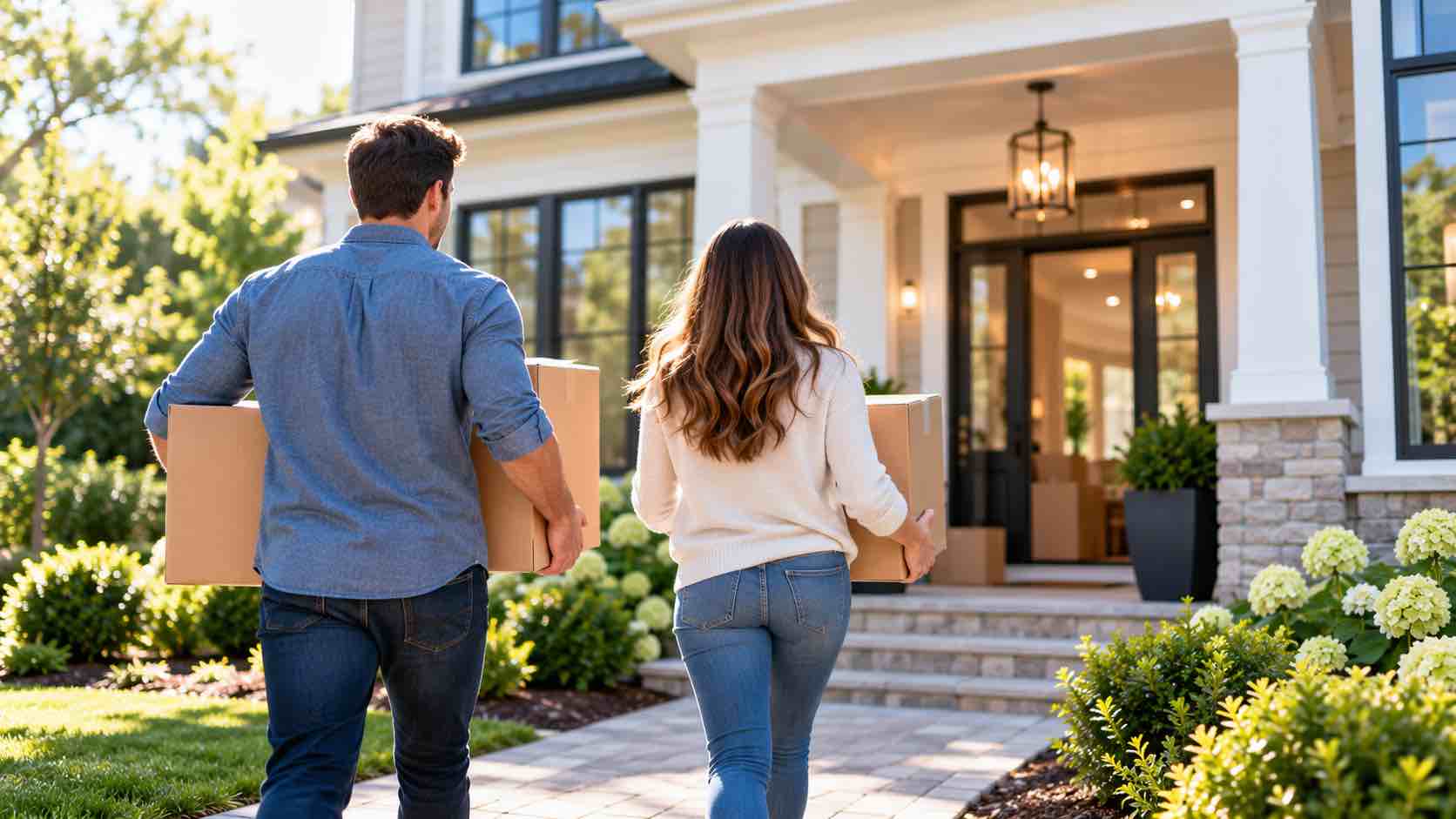
Buying a new home is exciting, but it also comes with a long list of things to check before moving in. One item that often gets overlooked is the existing home security system. Many homes throughout Monmouth County, NJ, including Middletown, Marlboro, Manalapan, Holmdel, and Colts Neck, already have alarm systems installed by previous owners.
But just because there’s an alarm keypad on the wall doesn’t necessarily mean the system is working, properly monitored, or ready for you to use.
Before deciding whether to keep, upgrade, or replace an existing home alarm system, there are several important things every new homeowner should know.
Is the Existing Home Alarm System Still Working?
The first step is determining whether the security system is operational. An illuminated keypad doesn’t necessarily mean the entire system is functioning correctly.
Older alarm systems may have disconnected sensors, failing backup batteries, outdated communication equipment, or other issues that aren’t immediately obvious.
A professional security inspection can help determine whether the system is functioning properly and identify components that may need service or replacement.
Is the Alarm System Professionally Monitored?
One of the most important questions to ask when purchasing a home is whether the existing security system is connected to a professional monitoring service.
Some alarm systems continue to sound an audible siren even after monitoring service has been discontinued. This means an alarm could activate without sending a signal to a monitoring center.
Before relying on the system, confirm that monitoring service has been established in your name and that alarm communication has been successfully tested.
Change the Alarm Codes and User Access
When moving into a home with an existing security system, changing the alarm codes should be a priority.
Previous homeowners, contractors, cleaning services, and other individuals may have been given access codes over the years.
A security professional can help you:
- Change the master and user codes
- Remove outdated user access
- Review connected mobile devices and accounts
- Update emergency contacts
- Verify that the system is properly configured
Taking these steps helps ensure that access to your security system is limited to authorized users.
Can You Reuse the Existing Security Equipment?
The good news is that buying a home with an older alarm system doesn’t necessarily mean you need to replace everything.
Many professionally installed security systems include hardwired door contacts, window sensors, motion detectors, and other equipment that may still be useful.
Depending on the age, condition, and compatibility of the components, it may be possible to retain existing wiring and sensors while upgrading the control panel or communication technology.
This can make modernizing your new home’s security more practical and cost-effective.
Check How the Alarm Communicates
Older home security systems frequently relied on traditional telephone lines to communicate with alarm monitoring centers.
If your new home no longer has a traditional landline, the alarm may not be able to transmit signals as originally designed.
Modern systems can use cellular or internet-based communication, with compatible equipment providing backup communication options.
Having the system evaluated before moving in can help identify potential communication problems.
Consider Adding Smartphone Access
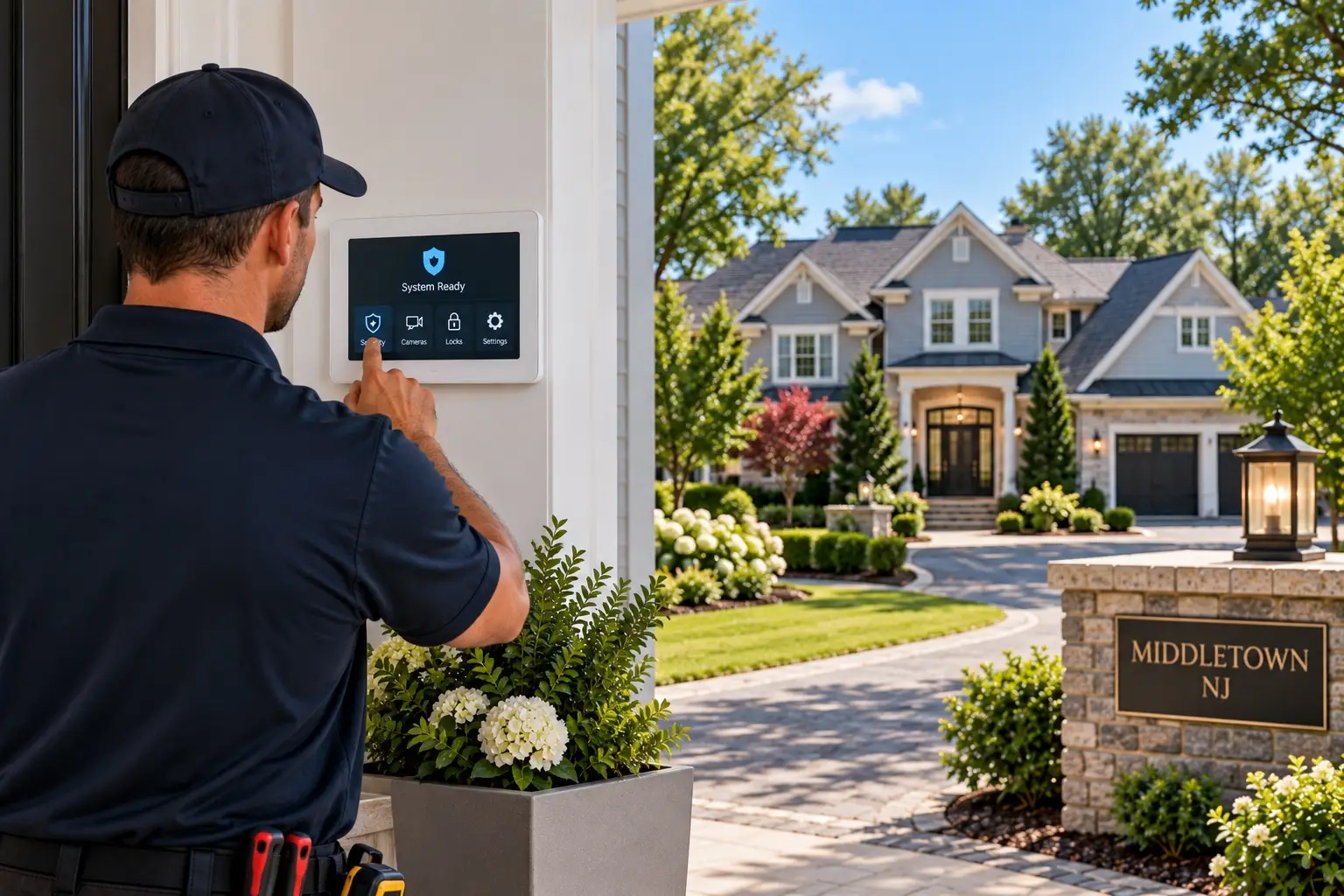
If the existing alarm system only operates through a wall-mounted keypad, upgrading may provide additional convenience.
Modern security systems can offer smartphone features such as:
- Remote arming and disarming
- Instant security notifications
- System status updates
- Remote access to compatible cameras
- Integration with connected home devices
These features make it easier to manage your home’s security whether you’re at work, traveling, or simply away for the day.
Should You Add Security Cameras?
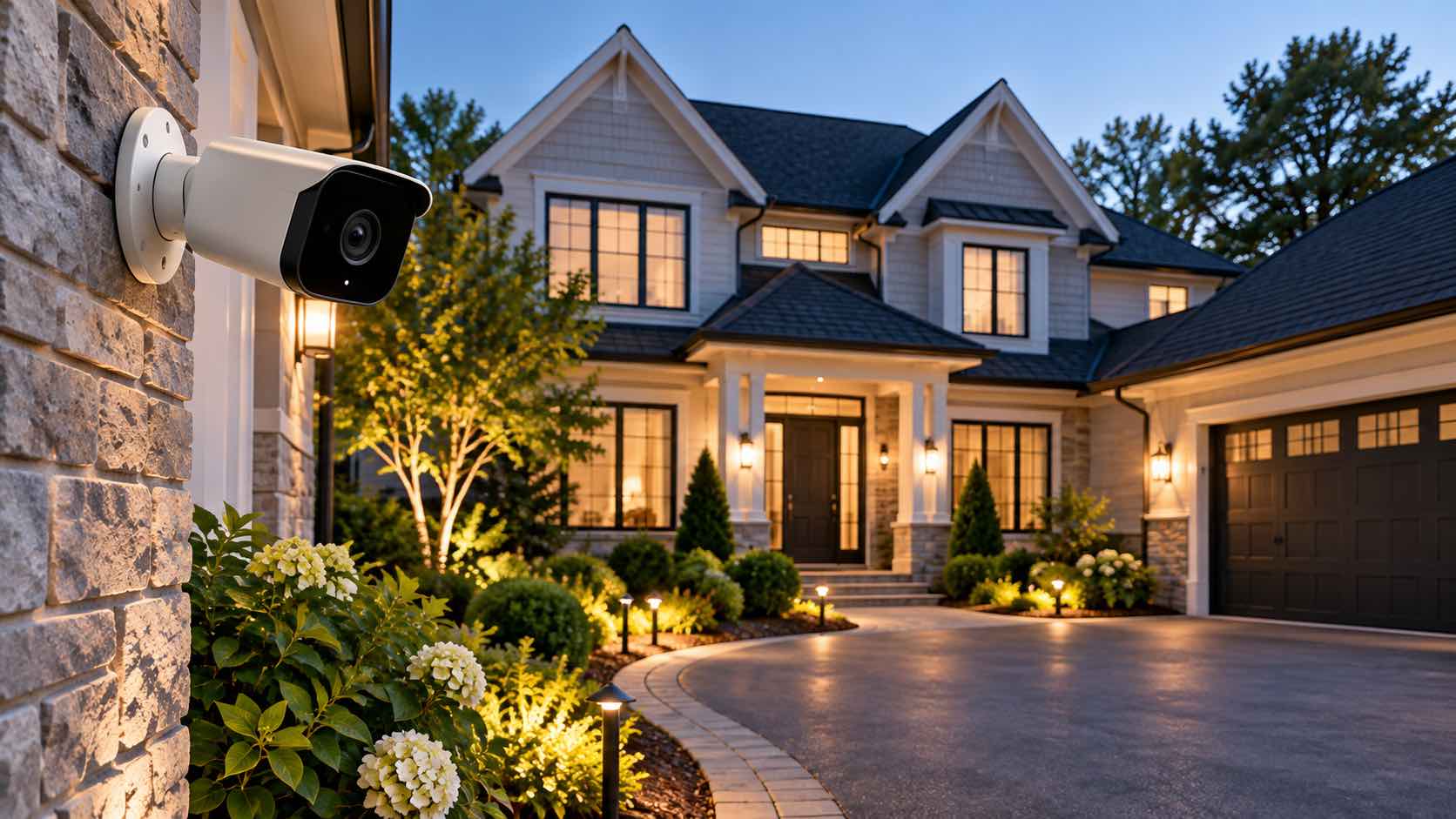
Moving into a new home is a good opportunity to evaluate whether security cameras would provide additional protection.
Cameras can help monitor front entrances, driveways, garages, backyards, and other areas around your property.
Modern video surveillance systems also allow homeowners to view live or recorded footage remotely.
Combining security cameras with an existing or upgraded alarm system can provide greater awareness of activity around your home.
Should You Keep, Upgrade, or Replace the Existing Alarm?
The right decision depends on the condition of the existing equipment and the features you want.
Keep the existing system if it is functioning properly, professionally monitored, and provides the coverage you need.
Upgrade the system if the existing sensors and wiring are reliable but the control panel, communication technology, or remote-access capabilities are outdated.
Replace the system if the equipment is unreliable, unsupported, incompatible with modern technology, or unable to provide adequate protection.
A professional evaluation can help you make the right decision without unnecessarily replacing equipment that still works.
Have Your Security System Checked Before Moving In
Ideally, your existing security system should be evaluated before you move into your new home.
This provides an opportunity to confirm that the alarm works, establish monitoring service, update access codes, test sensors, and address any problems before you begin relying on the system.
For homeowners purchasing properties in Monmouth County, NJ, taking care of security early can make the transition into a new home easier and more secure.
Start Fresh with a Secure Home
Your new home may already have valuable security equipment installed, but it’s important to make sure everything is working properly and configured for your needs. GuardMe Security helps new homeowners throughout Monmouth County, NJ evaluate existing alarm systems, update security equipment, establish professional monitoring, and add modern features such as security cameras and smartphone access. Contact GuardMe Security today to schedule a home security evaluation and make sure your new home is ready for move-in day.